What Democrats Keep Missing About Rural Patriotism
What Democrats Keep Missing About Rural Patriotism
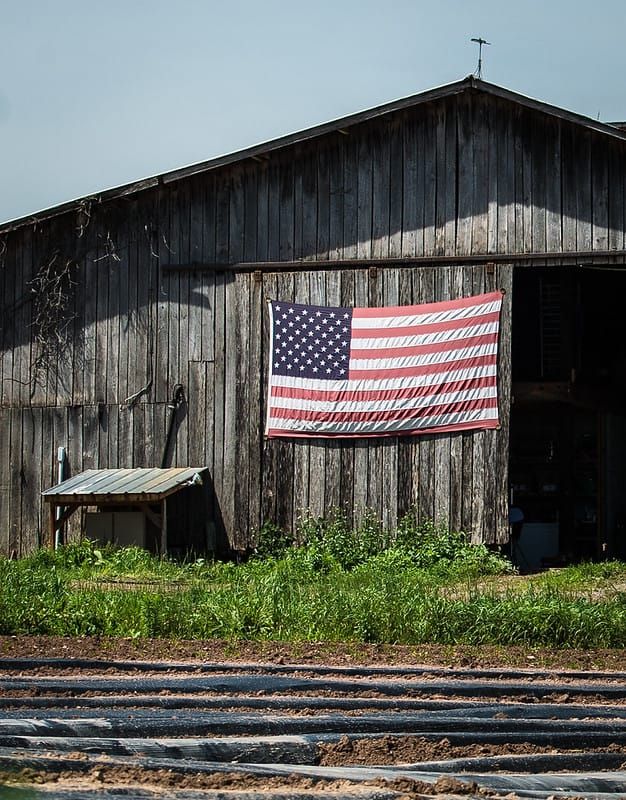
Most Americans have seen Saving Private Ryan. They've watched young soldiers fight their way onto Omaha Beach through machine gun fire, explosions, and chaos. What many don't realize is that one of the most remarkable stories of D-Day didn't happen in France. It happened in Bedford, Virginia.
I recently explored the story of the Bedford Boys in a separate Back Porch Tales & Travels article, and I'll link to it below. The short version is this: a rural Virginia town of about 3,500 people lost nineteen young men on D-Day, with another dying later from wounds suffered in Normandy. While larger cities lost more servicemen in raw numbers, few communities suffered such devastating losses relative to their size. The story raises an interesting question that reaches far beyond Bedford itself. Why do rural communities continue to produce such a large share of America's military service members?
The research is surprisingly consistent. For decades, rural America has supplied military recruits at rates higher than its percentage of the nation's population. Small towns, farming communities, and rural counties are routinely overrepresented in military enlistment statistics. Researchers point to a variety of reasons including economic opportunity, education benefits, job training, and healthcare access. Yet economics alone doesn't explain the pattern. Plenty of urban communities face economic hardship, but the enlistment gap remains. The answer appears to be found as much in culture as economics.
Researchers studying the rural-urban divide have repeatedly found that rural Americans are more likely to express pride in being American, more likely to identify strongly with national symbols, and more likely to view military service as an honorable calling. Polling data consistently shows higher levels of national pride among rural residents than among those living in large metropolitan areas. That doesn't necessarily mean urban Americans love their country any less. More often, it means they express patriotism differently.
Many urban Americans view patriotism through civic engagement, activism, voting, or efforts to improve society through reform. Rural Americans often express patriotism through military service, veterans organizations, volunteer fire departments, churches, civic clubs, and community institutions. Both approaches can stem from a love of country, but they don't always recognize one another as valid expressions of patriotism. As a result, each side often misunderstands the other.
The problem for Democrats is that many national political strategists have spent so much time studying demographics that they've stopped studying culture. They understand voting blocs, polling data, and turnout models, but often fail to understand why patriotism remains such a powerful cultural force in rural America. In places like Bedford, Big Stone Gap, Grundy, Abingdon, and thousands of similar communities across the country, patriotism is not primarily a political statement. It is a family story passed down from one generation to the next.
For many rural families, patriotism isn't learned from politicians, cable television, or social media. It comes from a grandfather who fought in World War II, an uncle who served in Vietnam, or a cousin who deployed to Iraq or Afghanistan. It comes from courthouse memorials, Memorial Day ceremonies, folded flags displayed in living rooms, and family photographs of young men and women in uniform. Military service becomes woven into family history, and over time patriotism becomes less of an ideology and more of an inheritance.
That distinction matters because when rural voters hear politicians, media figures, or activists dismiss patriotic symbols as outdated, performative, or unimportant, many don't hear an argument about politics. They hear criticism of their families, their communities, and the people who served before them. Whether that interpretation is fair is almost beside the point. In politics, perception often becomes reality.
Ironically, the Democratic Party once understood this far better than it does today. Franklin Roosevelt built one of the most successful political coalitions in American history while speaking openly about patriotism, service, sacrifice, and national purpose. His Fireside Chats connected progressive economic policies with a larger vision of American citizenship and shared responsibility. Many rural voters who supported Roosevelt, Harry Truman, John Kennedy, and Jimmy Carter never saw a contradiction between patriotism and progressive government. Programs such as the GI Bill, rural electrification, Social Security, and veterans benefits were often viewed as the nation's way of honoring service and strengthening communities.
Somewhere along the way, many Democrats began treating patriotism as a branding exercise rather than a cultural value. That mistake has proven costly. If Democrats hope to regain ground in rural America, they need to understand that patriotism is not a campaign slogan to be tested in a focus group. It is a deeply rooted part of rural identity shaped by military service, family history, faith communities, and attachment to place.
The story of Bedford isn't simply about one terrible day in 1944. It is a reminder that rural America has long carried a disproportionate share of the nation's military burden. The lesson isn't that rural Americans are better than anyone else. The lesson is that if you want to understand rural America, you first have to understand why so many of its people still believe service to country matters. Until Democrats learn that lesson, they'll continue talking about rural voters instead of talking with them.
Back Porch Tales & Travels / When A Town Lost Its Boys
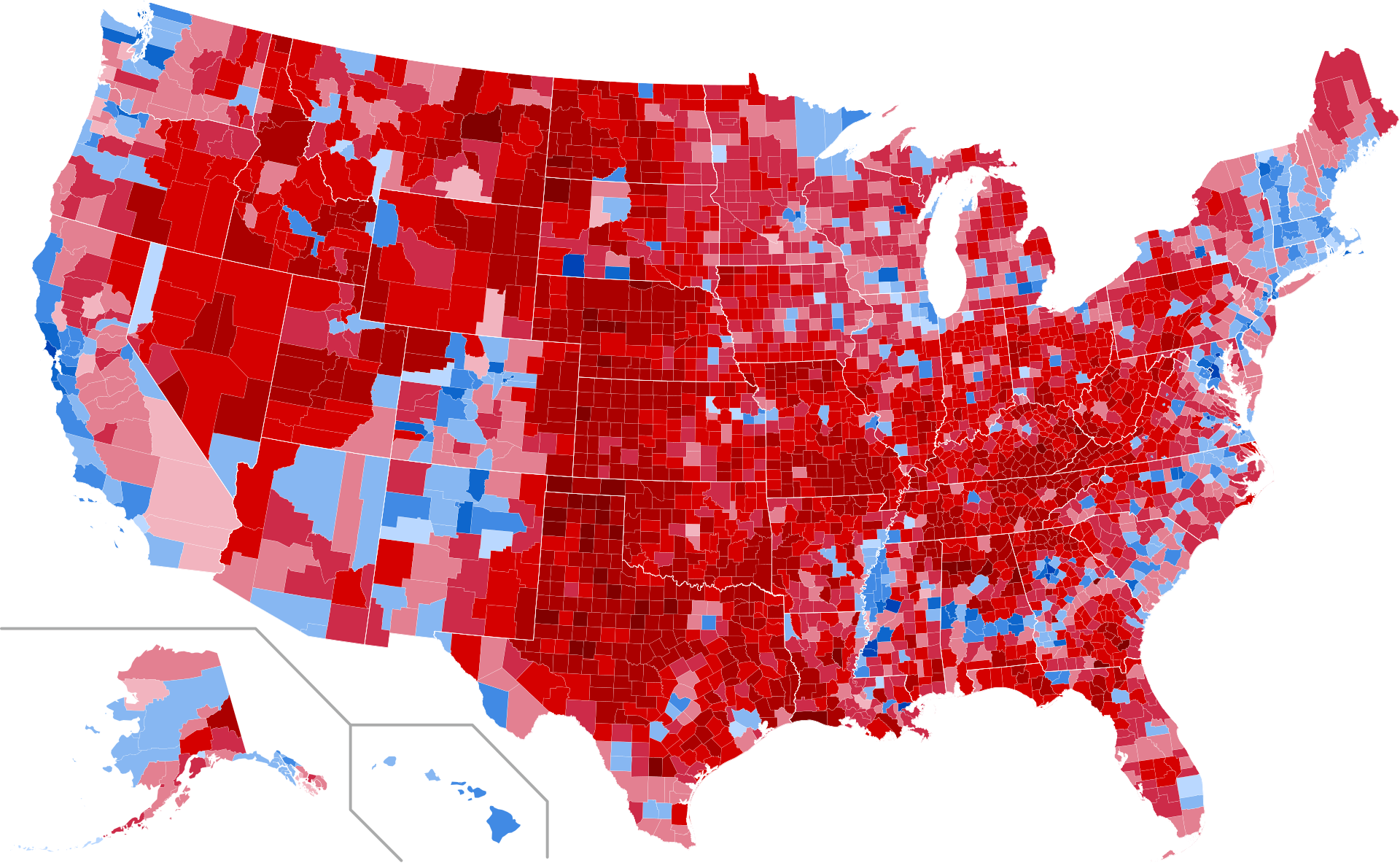
Tired of watching MAGA dominate rural America?
That's why Rural America Rising PAC exists. We provide direct funding and hands-on support to Democratic and Independent candidates running in rural communities.
A $25 donation to a national or statewide campaign barely gets noticed. A $25 donation to a rural school board, county supervisor, or legislative candidate can help buy signs, literature, digital ads, and voter outreach.
While state and national organizations often overlook rural candidates, Rural America Rising PAC invests where it can make the biggest difference…on the ground, in small towns, and in communities that deserve a voice.
Help us build a stronger future for Rural America, one local race at a time.
Comments ()