Why I Don’t Vote
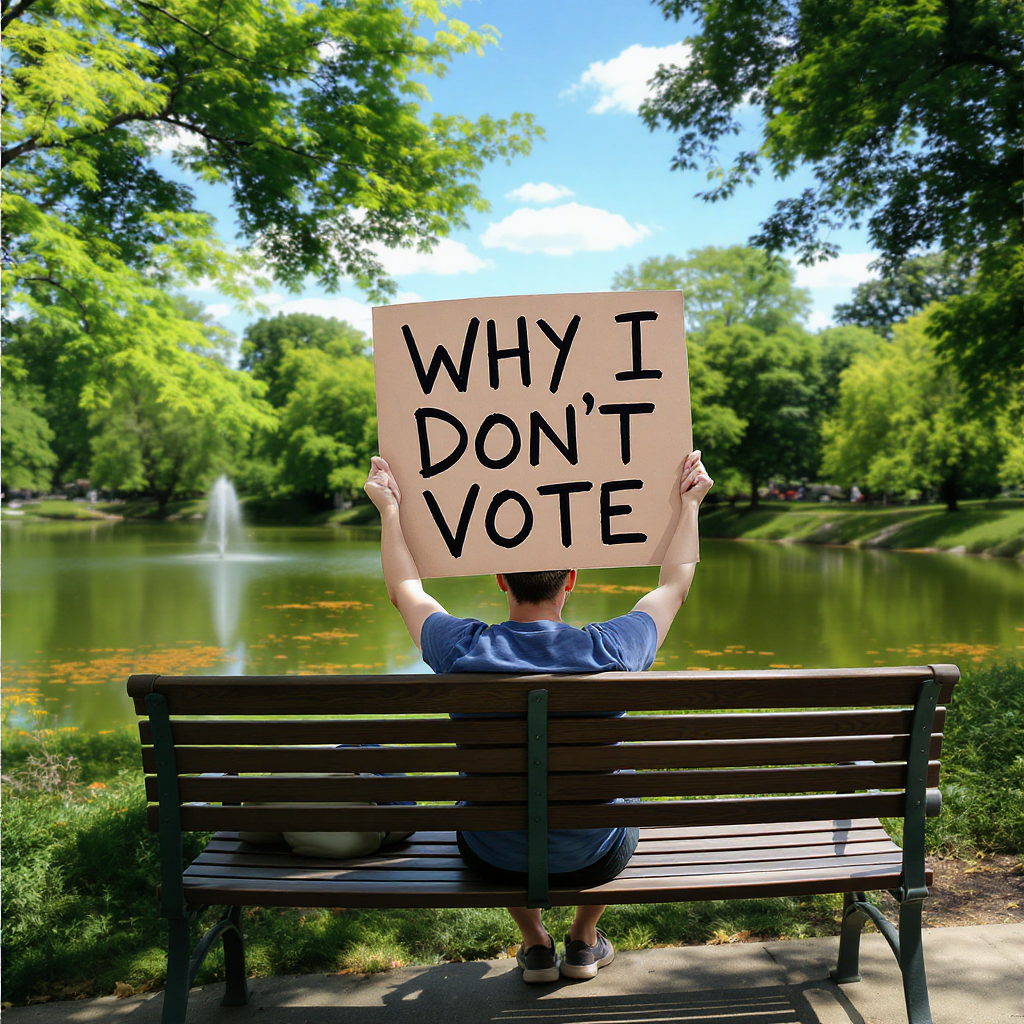
I will tell you right from the start, I think voting is the most American thing a person can do. I never miss an election. Big race, small race, even if dogcatcher is on the ballot, I show up. But this time I wanted to step outside my own habits and write from the point of view of folks who don’t vote.
When you start digging into the research, it turns out there are plenty of reasons why millions of Americans skip Election Day. Some reasons are practical. Some are personal. Some are as old and familiar as my great-grandfather’s coal miner work boots.
The Missing Millions
Here is the first thing to know. In the 2016 presidential election, more than 100 million Americans stayed home. The Knight Foundation did a huge study on this called The 100 Million Project. What they found is that nonvoters are not lazy. Most of them care about issues. They just do not think the political system pays any attention to them.
Who Sits Out
The U.S. Census Bureau tracks the numbers every election. The people most likely to sit out are the young, the working poor, and people of color. Retirees, on the other hand, vote like it is a Sunday service. In 2022, nearly seven in ten people over 65 voted, while only about two in ten young people between 18 and 24 cast a ballot.
That is how the electorate ends up older, whiter, and richer than the country itself. Politicians know it, so they pitch their messages to that crowd. Everyone else looks around and figures their voice does not matter much.
The Obstacles
There are also the headaches that come with voting itself. The MIT Election Data & Science Lab studies how people actually experience elections. In some states voters spend hours in line, scramble for childcare, or find out the polling place has been moved with little notice.
Scholars even created the Cost of Voting Index, which ranks states from easiest to hardest. At the top are places where voting is simple. At the bottom are states with strict ID laws, too few polling sites, and short voting windows. It is no surprise that the people most affected are those already short on time and money.
Trust and Disillusionment
Then comes the question of trust. The Knight Foundation found nearly four in ten nonvoters believe it makes no difference who wins. Pew Research backed this up in their 2025 post-election study.
That feeling is not new in America. My great-grandfather always voted but he had a saying he passed down. “Son, no matter who wins the election, I still got to wake up early, put my work boots on and go to work down in the coal mines.” He kept showing up at the polls, but he knew better than most that life down in the coal mines did not change overnight. Plenty of folks today feel the same, only they figure if nothing changes why bother voting at all.
Primaries Nobody Shows Up For
Another problem hides in plain sight. About 80 percent of Americans skip the primary elections, according to the Bipartisan Policy Center. That means the most committed partisans pick the candidates and everybody else is left to choose from that list in November. No wonder so many voters roll their eyes at the ballot.
Civic Life Matters
Voting depends on more than polling places. It depends on whether communities are connected. The National Conference on Citizenship finds that counties with local newspapers, broadband internet, and active civic groups see higher turnout. Places without those things, what they call “news deserts,” see fewer voters.
When you cannot read local news, your internet crawls, and your community groups are gone, politics feels like something that happens somewhere else.
Why It Matters
Why care about the people who do not vote? Because when they stay home, the whole system tilts. Policy ends up written for the people who show up, which means older and wealthier voters carry more weight than they should.
Brookings found that turnout among young and nonwhite voters dropped in 2022. That is not just a blip. That is a warning sign.
Wrapping It Up
I will keep voting and I hope you do too. But here is what I have learned. People do not stay home because they are lazy. They stay home because voting feels like too much work, too much trouble, or not worth the time.
My great-grandfather’s words still ring true. Whether a Democrat or Republican wins, tomorrow morning the alarm clock goes off, the boots go on, and it is back to work. Until politics convinces people it can change that part of life, we will keep seeing millions of Americans missing from the polls.
References:
Knight Foundation — The 100 Million Project
Pew Research — Who Voted in 2024 and Who Did Not
U.S. Census Bureau — Voting & Registration Data
MIT Election Data & Science Lab — SPAE
Cost of Voting Index — 2024 Update
Bipartisan Policy Center — Primary Turnout
National Conference on Citizenship — Civic Health Index
Brookings — 2022 Midterm Analysis
Be curious, not judgmental.
Till next time, that’s the story from the ‘Back Forty’. — John W. Peace II
Magazines Interested in republishing this article? Contact the author at urTOPIX1@gmail.com for permission and details. Readers, feel free to share!
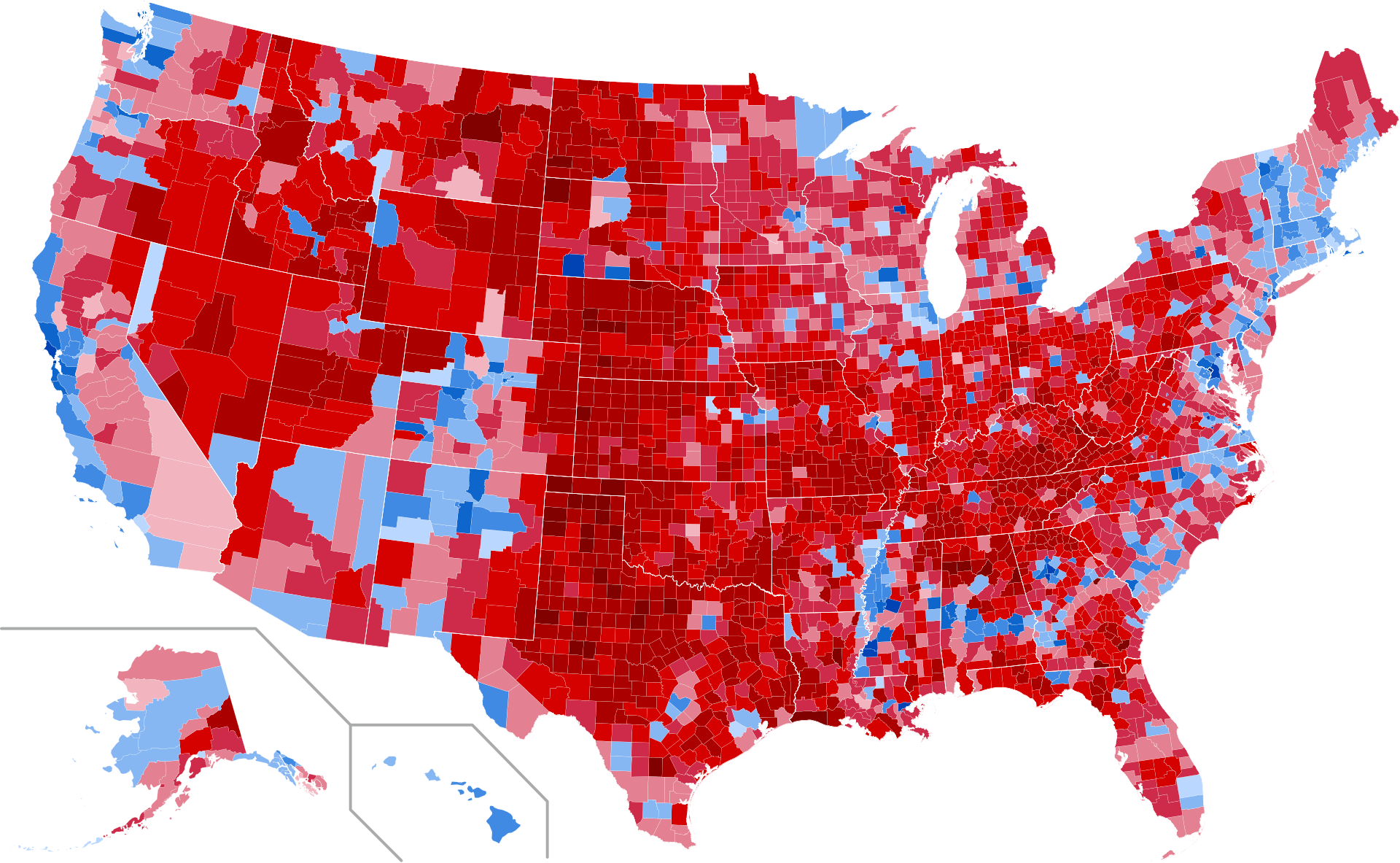
Tired of watching MAGA dominate rural America?
That's why Rural America Rising PAC exists. We provide direct funding and hands-on support to Democratic and Independent candidates running in rural communities.
A $25 donation to a national or statewide campaign barely gets noticed. A $25 donation to a rural school board, county supervisor, or legislative candidate can help buy signs, literature, digital ads, and voter outreach.
While state and national organizations often overlook rural candidates, Rural America Rising PAC invests where it can make the biggest difference…on the ground, in small towns, and in communities that deserve a voice.
Help us build a stronger future for Rural America, one local race at a time.

Comments ()